- Last Update 2026-05-02 17:08:00


Feature - Vision Casting
By Timothy A. Edward
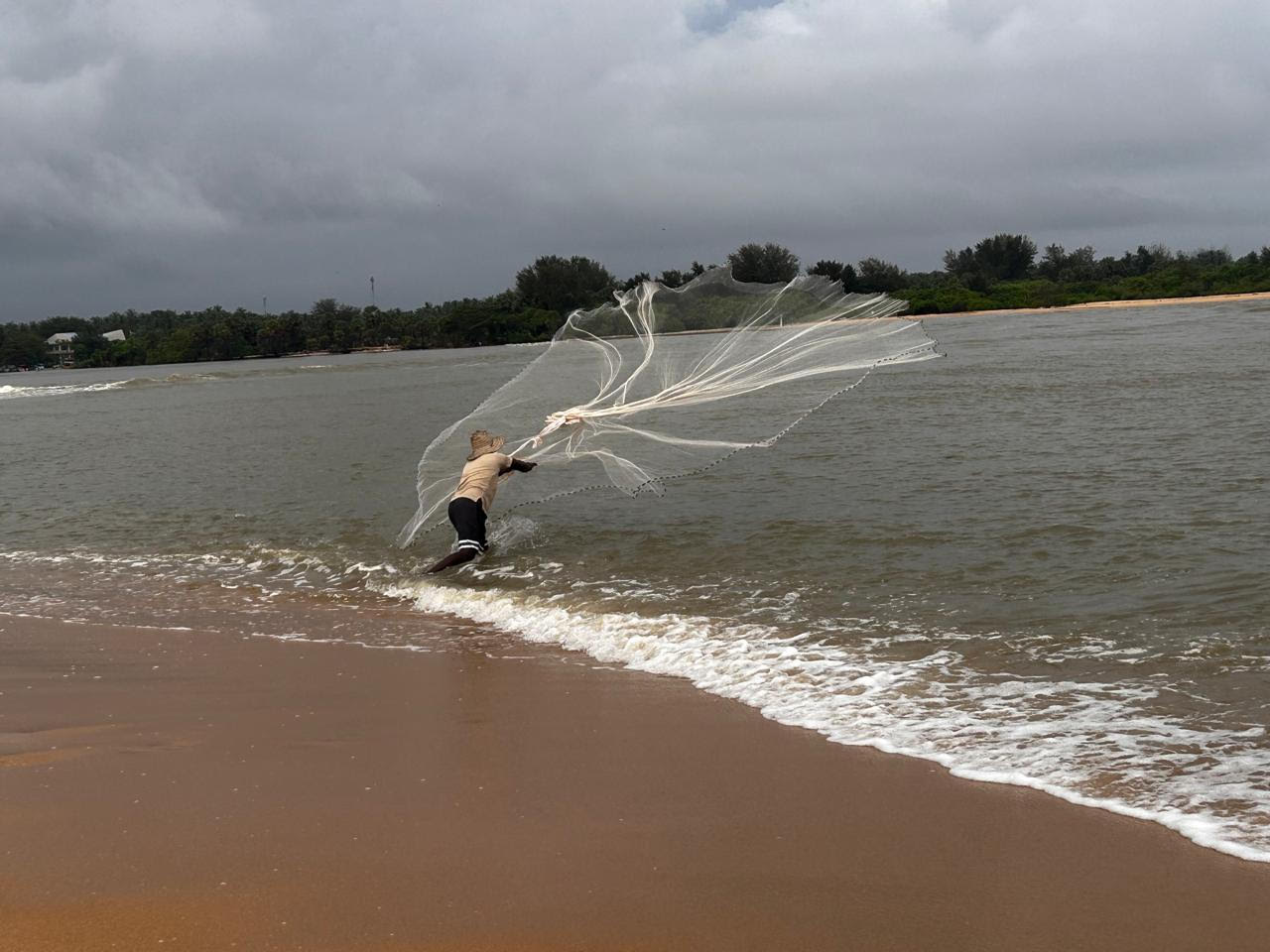
A fisherman casts his net because he has a vision. His vision is to catch fish to feed his family, earn money, build a house, buy a trawler, and eventually establish a prosperous business. This vision, held deep within his heart, enables him to overcome challenges and empowers him to cast his net again and again, day after day. Without discouragement, without giving up, he moves steadily closer to achieving his dream. It may take years before his vision comes to fruition, but it is this vision that keeps him going.
Vision Articulation
As business people, we too must subscribe to our organisational vision. If we want to see success, we need to be fully committed - 100 per cent - to the vision and mission of our organisations. Once embraced, the vision must be modeled, practiced, and shared consistently.
Clarity, Repetition and Translation
Vision casting is about shaping a preferred future. It must be simple enough to repeat, yet strong enough to carry weight. Many leaders lose vision in one of two places: they say it once and assume people “got it”, or they present it in grand terms but fail to translate it into actionable steps. The secret of casting a powerful vision lies in making it clear and tight before broadcasting it widely.
Example
Recently, I had the honour of meeting with a group of highly gifted and talented leaders. Although they came from different backgrounds and worked in diverse sectors, they shared one common trait: a passion for continuous education and a professional approach to Learning and Development. I invited them to co-create a vision for trainers, and what emerged was remarkable. Their passion flowed naturally into a vision and mission that reflected both their values and their aspirations.
Vision Statement
To become the best version of myself as a trainer - professionally recognised, ethically grounded, and technically sound cultural change architect.
Mission Statement
• Uphold the highest standards of professional ethics in all training endeavours.
• Serve organisations with meaningful, practical, and results-driven training solutions.
• Continuously learn, unlearn, and relearn concepts, theories, and principles to stay relevant and innovative.
• Listen with empathy to understand learners’ needs and perspectives.
• Enhance my speaking and facilitation skills to engage and inspire diverse audiences.
• Champion cultural change by fostering inclusivity, adaptability, and forward-thinking mindsets.
• Staying teachable.
From this example, it is clear how these eminent leaders carefully built culture into their vision and mission casting exercise. Vision without character is dangerous, and gifting without accountability will eventually collapse. These leaders’ emphasised ethics, empathy, and adaptability - elements that ensure vision and mission are not just words but living principles. In translating vision and mission into action, culture plays a crucial role, serving as the foundation upon which sustainable success is built.
Vision casting is not merely about dreaming - it is about aligning passion with purpose, clarity with action, and culture with accountability. Just as the fisherman casts his net daily with unwavering determination, we too must cast our vision repeatedly, with conviction and resilience. Success is not achieved overnight, but through persistence, clarity, and a commitment to values that endure. Let us rise as leaders who not only envision the future but actively shape it. The time to cast your vision is now - boldly, consistently, and with a heart that refuses to give up.

-
Still No Comments Posted.





- April 23, 2026 - 271 - 0
Fraud using SriLankan airlines name detected
A fraud carried out using the name of Sri Lankan Airlines has been uncovered.




- April 25, 2026 - 161 - 0
Your Sunday Times highlights for this week
Read this week’s Sunday Times for your interesting articles
Related Articles

May Day rallies held across the island
- 01/05/2026 - 60 - 0

Top stories of the day
- 01/05/2026 - 98 - 0
Leave Comments