- Last Update 2026-05-10 14:05:00


Time to celebrate Thai Pongal
By Thilakshi Basnayake
The "Thai Pongal" festival which falls this year on January 15 is celebrated with great enthusiasm by Hindus around the world, as well as in Sri Lanka. It is a festival that emphasizes gratitude to nature, which helps humans sustain their lives. It is considered the dawn of a new year for Hindus.
On the first day of the month of Thai, or Duruthu in the Sinhala calendar, the Sun transits from Sagittarius to Capricorn. The Uttarayana period occurs as the sun moves northward from the month of Duruthu to the month of Poson, from the month of “Thai” to the month of “Aani” in the Tamil system.
The Thai Pongal festival has been celebrated by Tamil Hindus since time immemorial and is a four-day festival.
Bhogi Pongal
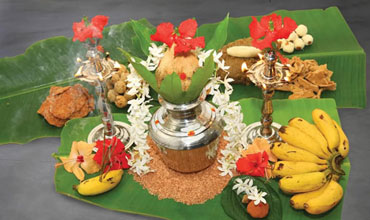
This begins on the last day of the month of Markali, which is the last day of the month of Unduwap, the last day of that year. This marks the first day of the Thai Pongal festival. Houses are cleaned, purified, banana, mango branches, and garlands are arranged to prepare for the festival. Poojas are also performed to Lord Indra on this day. Family members buy or sew new clothes. Everything is ready for the Pongal puja the next morning, and decorations made mostly of banana and mango leaves are placed at the entrance of a home, in accordance with a tradition followed for generations. New items are purchased and old ones are discarded. This signifies the breaking away from bad habits that were formed during the previous year.
Pongal
On this day, worship is performed to the Sun God. A piece of land is selected on the east side of the house and covered with cow dung clay, sprinkled with turmeric, a kolam is placed, and banana trees are planted in the four corners. Rice flour is used to draw kolam patterns, which are used as food for animals such as ants, beautifully illustrating how this festival is connected to nature. After that, a stove is built on that area, the fire is lit, milk is boiled, and milk rice is cooked from the new harvest. This milk rice is then offered to the Sun God. Sweets and bananas are also placed on this offering.
Patti Pongal / Mattu Pongal
Next comes the third day of Thai Pongal. This day is called Patti Pongal or Matu Pongal. Mattu Pongal is celebrated the day after Thai Pongal. “Maattu” is the Tamil word for cows. Tamil Hindus perform many special rituals on the day after Pongal for the cattle that help in farming. Cattle are washed and purified, and their horns are painted and cleaned. After that, on a piece of land in front of the cowshed, manure is treated, gok leaves are hung around it, a kolam is placed and pooja is performed. Here, milk is boiled, and offered to the gods. Then, each cow is fed sweets and milk.
It is also a practice for some villagers to light a firecracker from a coconut branch, carry it around the cow, then run to a corner of the village and drop the firecracker. This is done to ward off the evil eye.
Kanum Pongal
This is the last day of the Thai Pongal festival and is a festival for women. The piece of turmeric tied in the Pongal pot is untied and given to five elders who then rub it on their foreheads. If there are no elders, they give it to their husbands and seek their blessings. On this day, after making offerings, women bathe, wear new clothes, and receive gifts. Visiting relatives and exchanging gifts with friends and relatives to strengthen relationships is another special aspect of this day.
The ‘Thai Pongal’ festival is all about fertility, gratitude, peace and harmony. This wonderful cultural festival will be celebrated on January 15 this year as well.
(The writer is an undergraduate at the University of Kelaniya)

-
Still No Comments Posted.



Related Articles
El Niño likely to curtail monsoon rains
- 10/05/2026 - 67 - 0
Your Sunday Times highlights for this week
- 09/05/2026 - 91 - 0
Former SriLankan Airlines CEO Kapila Chandrasena found dead
- 08/05/2026 - 433 - 0
Top stories of the day
- 07/05/2026 - 199 - 0
Leave Comments