- Last Update 2026-02-28 17:51:00


A relation of Ditwah may reach Sri Lanka in near future
By K.R. Abhayasingha
We will never forget the disasters caused in many areas of Sri Lanka by Cyclone Ditwah during the last week of November last year. According to media reports, about 643 people lost their lives, 183 people were missing, 112,171 buildings were partially damaged and 6163 buildings were fully damaged. This is media information on 14th December 2025. Landslides and severe floods have resulted in many significant disasters.
Some of us have forgotten the early instances with significant natural disasters caused by cyclones developed in the Bay of Bengal. A number of cyclones have crossed our country in the past, and the resulting natural disasters were significant. But neither of them was Ditwah; they were called by different names.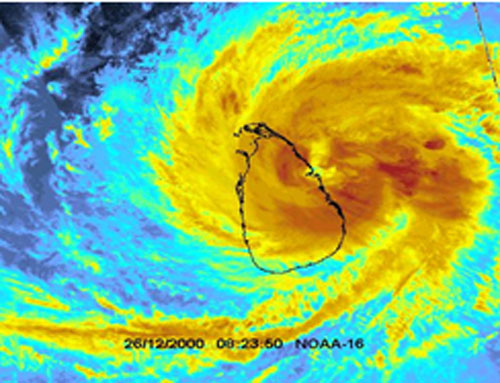
In the early days, meteorological observations of cyclones developed in the Indian Ocean, Pacific Ocean and Atlantic Ocean were numbered, and information about them was accompanied by those numbers and the name of the ocean. This tradition was changed after a meteorologist in Queensland named a cyclone in 1887, and thereafter meteorological institutes started naming cyclones developed in all oceans, but only female names were used. Australia in 1975 and the United Nations Cyclone Commission in 1979 commenced numbering the cyclones with male and female names alternatively. This is the normal procedure practised by all meteorological institutes in the world now: male names and female names alternatively. But some regional meteorological organisations seem to have used some popular names in their regions in naming the cyclones. Anyway, any name is used only once in allocating names to cyclones in all three oceans.
Most of the cyclones developing in the Bay of Bengal will affect us directly or indirectly. The cyclonic weather systems begin their life as a low-pressure area, and with intensification, such a system becomes a depression, and with further intensification, the depression will change to a cyclone. A well-developed cyclone is a weather system with strong winds blowing in circular paths, and the horizontal distribution is about 1000 km. The system area is covered with clouds developed to very high altitudes. As a result, bad weather with rain, lightning and very strong winds is experienced within the area of the system. An important characteristic of a cyclone is the movement. A cyclone moves in a particular direction until it weakens back to the depression state and the low-pressure area and ultimately ends its life.
All meteorological institutes at present have technical facilities to observe the location, strength and movement of a cyclone in all oceans, and the Sri Lanka Meteorological Department is responsible for providing all forecasts and warnings of such systems to the nation via public media. People must be careful to receive all such information and take necessary precautionary steps to mitigate disasters following the information provided by the Disaster Management Center (DMC).
Frequency of cyclones developing in the Bay of Bengal fluctuates with the time. According to the historical data, the cyclone development is high during October-November, and the second highest frequency is during May-June. Therefore, we have to expect the influence of the next cyclone in May–June 2026 unless, otherwise, such a weather system develops close to our country due to any unexpected weather conditions. If things change according to the normal conditions, we have to take necessary precautionary steps to mitigate cyclone disasters in May-June this year.
(The writer is a retired Director of Meteorology.)

-
Still No Comments Posted.
- February 20, 2026 - 188 - 0
Maithree Wickramasinghe requests two weeks to give CID statement
Maithree Wickramasinghe, wife of former President Ranil Wickremesinghe, who was due to appear before the Criminal Investigation Department (CID) today to record a statement, has requested a two week period to provide her statement.




- February 25, 2026 - 99 - 0
Senior ex public officials in bribery net
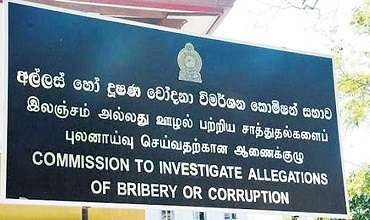
A former secretary to the Ministry of Trade , former additional secretary and chief finance official have been arrested over corruption charges , the Commission to Investigate Allegations of Bribery and Corruption said.
Related Articles

Top stories of the day
- 27/02/2026 - 65 - 0
Leave Comments