- Last Update 2026-05-13 16:32:00


‘Achieving Profitability through Sustainable Tourism’ at Amba Yaalu Kandalama
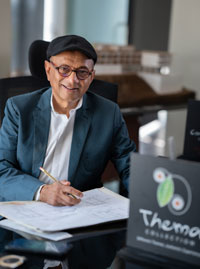 By Sanath Weerasuriya
As Sri Lanka prepares for a new wave of global travellers for 2026, sustainability has moved from being an option to an obligation. From rainforests and wildlife reserves to ancient cities and living traditions, the island’s greatest assets are also its most vulnerable. Safeguarding this natural and cultural wealth, while ensuring tourism continues to uplift local communities, has become central to the country’s tourism narrative. With arrivals expected to rise sharply in 2026, Sri Lanka is positioning sustainable tourism not just as a policy goal, but as a promise to future generations and to travellers seeking meaningful, responsible journeys.
The foundations of a sustainable tourism sector rest on environmental protection, socio-cultural respect, economic viability, responsible management and regenerative tourism. Sustainable tourism is designed to minimise adverse impacts while enhancing positive outcomes for local environments, cultures and economies. It seeks to strike a careful balance between the expectations of travellers, the growth of the industry and the wellbeing of host communities, ensuring that natural and cultural resources are preserved for generations to come. Key strategies include reducing environmental footprints, strengthening local livelihoods and encouraging responsible travel behaviour.
Set against the Kandalama Weva as backdrop, sustainability took centre stage at ‘Achieving Profitability through Sustainable Tourism’, the latest symposium organised by the Sustainable Tourism Association of Sri Lanka (STASL) at Amba Yaalu on January 25. The symposium brought together tourism professionals, conservation advocates, environmentalists and industry leaders to explore how responsible travel can drive s long-term value. The symposium featured Erik Solheim, globally recognised environmental leader, former United Nations diplomat with the UN Environment Programme and Norwegian politician, as its keynote speaker.
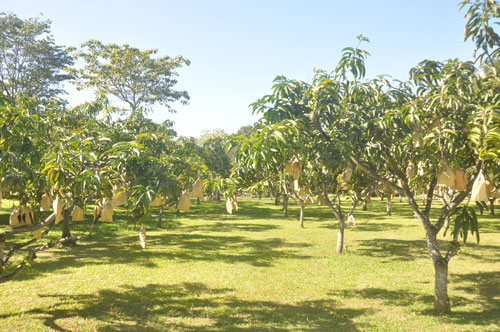
Speaking on the role of sustainable tourism in shaping Sri Lanka’s travel future, Erik Solheim highlighted how tourism creates livelihoods that extend far beyond hotels and resorts. From drivers and guides to farmers, artisans and village-based service providers, he noted that the sector’s growth is deeply woven into everyday life across the island. This wide reach, he said, makes tourism one of the most inclusive contributors to Sri Lanka’s economy, while enriching the authenticity of the visitor experience.
‘Job creation through tourism remains one of the most powerful drivers of economic growth in Sri Lanka. The current growth path has created a favourable environment for employment across a wide spectrum, from hospitality and transport to agriculture, handicrafts and community-based services’ he added. Tourism, he observed, generates a significant number of direct and indirect jobs, making it economically beneficial to the country as a whole.
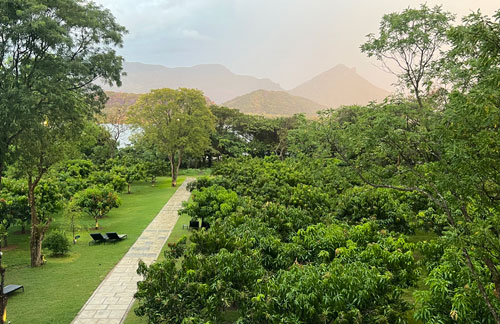
For travellers, sustainable tourism translates into destinations that remain vibrant and unspoilt, where wildlife thrives, landscapes are protected and communities actively participate in tourism. By supporting local businesses, reducing environmental impact and safeguarding biodiversity, responsible travel ensures that guests enjoy meaningful, high-quality experiences today, while preserving the very places they come to discover for generations to come.
The symposium was hosted by ‘Thema Collection’ in collaboration with the ‘Sustainable Tourism Association of Sri Lanka’, bringing the conversation on responsible travel into a setting shaped by nature and design. Emphasising the link between sustainability and long-term success, Chandra Wickramasinghe, Chairman and Managing Director of Connaissance de Ceylan, founder of Thema Collection and the founding President of STASL, said the forum explored how profitability can be achieved through responsible tourism practices.
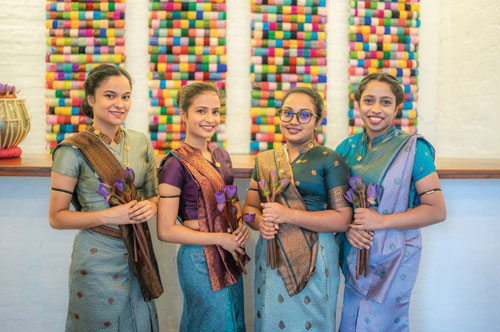
He noted that growing emphasis is being placed on zero-carbon tourism, with hotels and tour operators increasingly adopting renewable energy, energy-efficient infrastructure, waste, reduction initiatives and low-carbon transport solutions, approaches already being implemented across Thema Collection properties. Such measures, he said, not only reduce environmental impact but also enhance the quality and authenticity of the guest experience.
The expert panel at the symposium featured Nishsanka De Silva, founder of the Zero Plastic Movement, Nimesha Palliyaguru of MDF, and Dr. Samantha Pathirathne, bringing diverse perspectives on sustainability, community engagement, and conservation. The discussion was moderated by Faraz Shauketaly, guiding conversations on how Sri Lanka’s tourism industry can balance growth with environmental stewardship and meaningful traveller experiences.
|
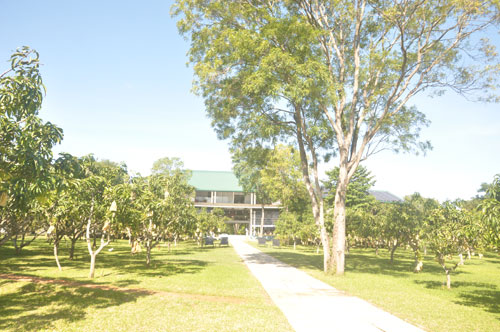
Amba Yaalu Kandalama Marks One Year of Redefining Women-Led Hospitality in Sri Lanka Amba Yaalu Kandalama, Sri Lanka’s first women-led hotel, proudly marks its first anniversary, celebrating a year of empowerment, inclusion, and purposeful hospitality. Amba Yaalu Kandalama was conceived in response to a pressing gap within Sri Lanka’s tourism and hospitality sector. Despite women representing 52.8% of the national population and achieving high literacy levels, female participation in the formal hospitality workforce remains critically low at approximately 10%. Limited opportunities to showcase talent, restricted access to education and professional training, workplace discrimination, and concerns around safety have long prevented women from fully participating and progressing within the industry. Recognizing both the challenge and the responsibility to act, Thema Collection, a pioneering, thematic, and eco-conscious hospitality brand — introduced Amba Yaalu Kandalama as a bold intervention. Under the leadership of its Chairman, renowned for conceptualizing 16 distinctive properties that have reshaped Sri Lanka’s tourism landscape, Amba Yaalu was envisioned as more than a hotel. It was designed as a platform where women are trusted to lead, supported to grow, and empowered to redefine hospitality on their own terms. |

-
Still No Comments Posted.





Related Articles
InPix: Mahinda Rajapaksa leaves Bribery Commission after recording statement
- 13/05/2026 - 6 - 0
Top stories of the day
- 12/05/2026 - 112 - 0
Leave Comments