- Last Update 2026-05-12 16:47:00


Flaws of Japan's power grid exposed after quake
TOKYO (Reuters) - After an earthquake knocked out power to 5.3 million people this week, Hokkaido Electric expects to restore service to most of them by the end of Friday, but experts say the island-wide outage highlights fundamental flaws in Japan’s power grid.
While not as many people were affected by this week’s outage as after the March 2011 quake and tsunami, it was the first time a regional utility in Japan lost its full network, according to the country’s Federation of Electric Power Companies.
Hokkaido Electric aims to have power restored to about 80 percent of the island’s households by the end of Friday, according to Japan industry minister Hiroshige Seko.
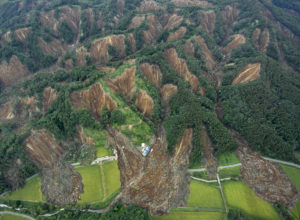
Landslides caused by an earthquake are seen in Atsuma town, Hokkaido, northern Japan.
With its only nuclear plant shut pending approval to restart under new safety guidelines imposed since the Fukushima meltdowns of 2011, Hokkaido Electric has been investing in a new gas-fired station and expanding the capacity of its connection to Honshu. Cost cuts have slowed the process.
Asked if there were lessons from 2011 that could have been applied to help mitigate the current situation, the spokesman said the utility had conducted drills for scenarios including the shutdown of all three units at Tomato-Atsuma but did not provide details.
“It is difficult to answer this question because the 2011 quake and yesterday’s quake are different situations,” he said.

-
Still No Comments Posted.









Related Articles

Top stories of the day
- 12/05/2026 - 31 - 0
Leave Comments